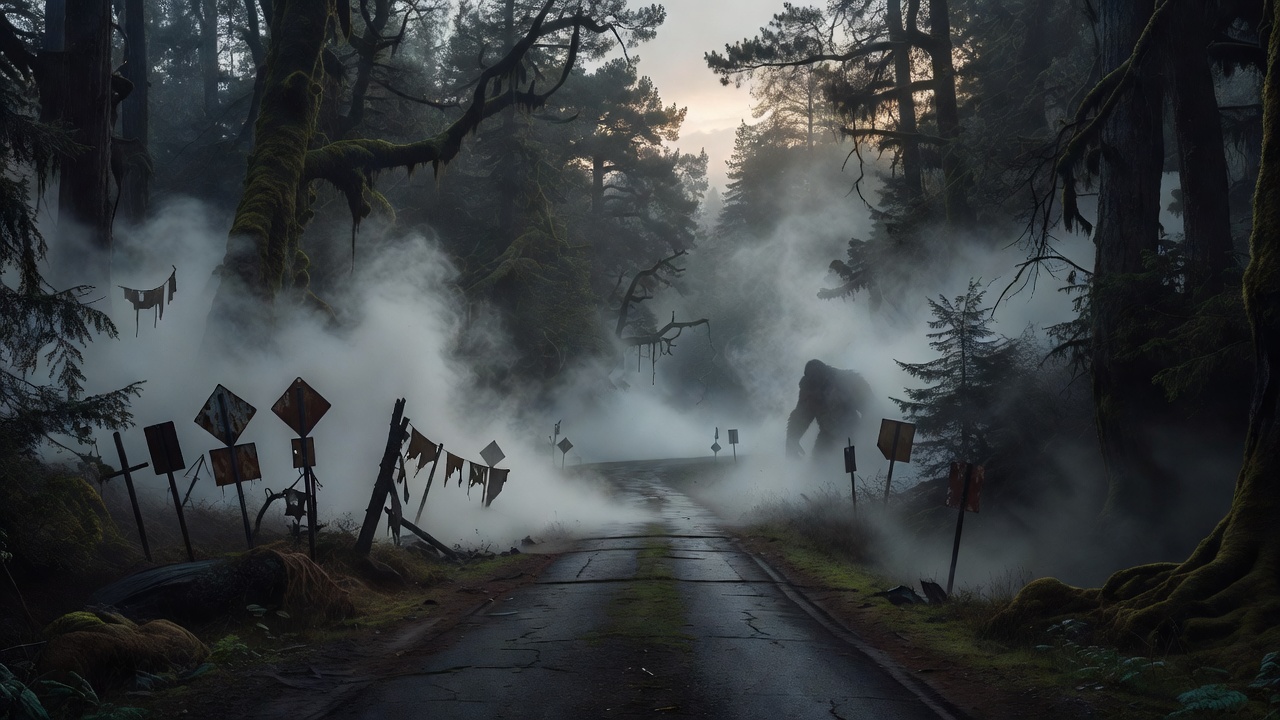
Across the globe, small towns facing industrial decline have found an unexpected economic savior: strange monsters and bizarre local legends. From Point Pleasant, West Virginia (home of the Mothman) to Loch Ness in Scotland, "cryptid tourism" has transformed obscure folklore into multi-million-dollar economic engines.
The Economics of the Unexplained
When a municipality establishes a dedicated museum for a local cryptid or weird historical event, it creates a recurring revenue stream that operates outside traditional seasonal tourism models. Enthusiasts, curious travelers, and paranormal researchers travel year-round to visit these niche installations.
Festival Multiplier Effects
In addition to brick-and-mortar storefronts, cryptid-themed festivals generate massive lodging and retail surges. Vendors selling artisanal oddities, handcrafted creature models, and self-published field guides generate hundreds of thousands of dollars during 48-hour event windows.
Curatorial Authenticity vs. Kitschy Charm
The most successful strange attraction museums balance tongue-in-cheek humor with genuine historic archival methods. By preserving local newspaper clippings, witness testimonies, and original artifacts, these institutions earn academic respect while remaining accessible to everyday road-trippers.
At Reeliorankberry, our Cryptozoology Field Scouting & Archiving Masterclass directly trains curators on how to preserve regional folklore while respecting scientific methodology.